

How to Protect Your Money While Travelling Abroad Posted Aug 28, 2026
Article ListSponsored Post
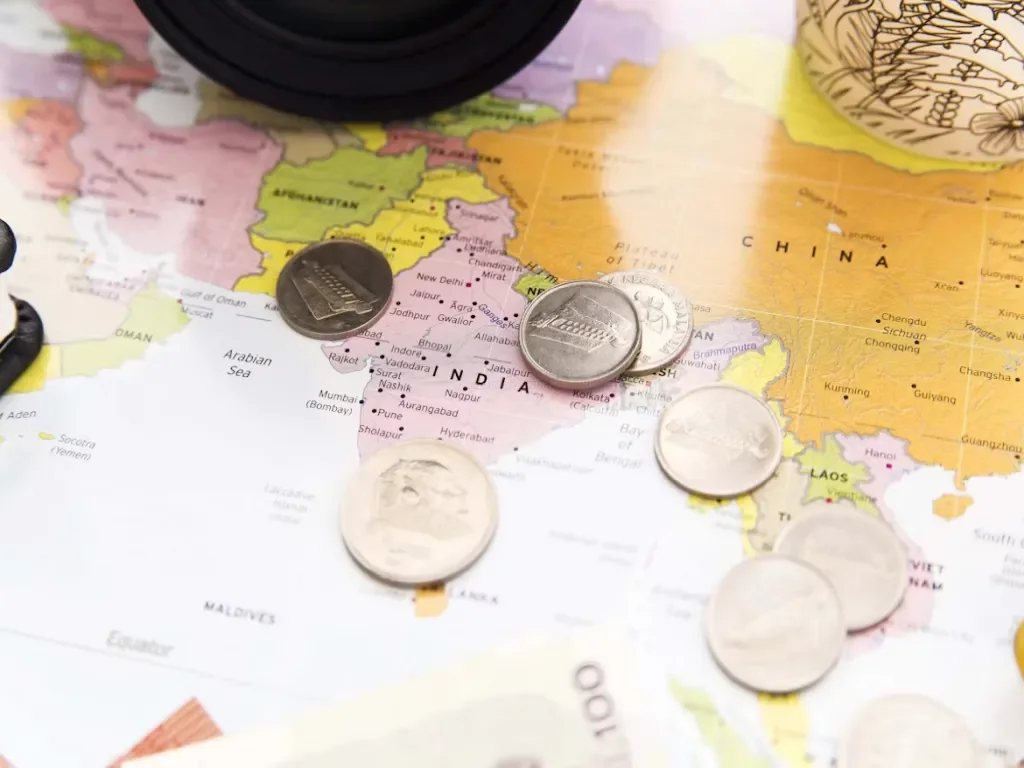
Going on holiday should be exciting.
The last thing you want is to spend your trip worrying about lost cash, stolen cards or unexpected charges. Money problems can happen anywhere, but a few simple habits can make them much less likely.
Good travel planning is not about being overly cautious. It is about having a backup when something goes wrong.
Do Not Carry All Your Money at Once
Taking all your holiday cash with you every day is unnecessary.
Instead, carry only what you expect to spend. Keep the rest somewhere secure, such as a hotel safe where one is available.
The same idea applies to bank cards.
If you are travelling with more than one card, avoid keeping them all in the same wallet. Losing one should not mean losing every way of accessing your money.
The UK Foreign, Commonwealth & Development Office recommends taking more than one payment method when travelling abroad, including local currency and bank or credit cards.
Keep Your Cards Secure
Before leaving home, check that your cards are valid and make a note of how to contact your bank if one is lost or stolen.
It is worth saving the relevant numbers somewhere other than your wallet.
Why?
If your wallet disappears, you may not have access to the information needed to report the loss.
Banking apps can also be useful. You can check transactions quickly and spot anything unusual while you are still abroad.
Enable notifications for card payments if your bank provides them. Seeing a payment you do not recognise quickly gives you a better chance of dealing with the problem promptly.
Be Careful When Using ATMs
Cash machines are convenient, but travellers should still take care.
Use ATMs in secure locations, preferably those attached to reputable banks. Be aware of your surroundings and avoid withdrawing large amounts of money when you do not need it.
You should also pay attention to the screen when making a withdrawal.
Some machines may offer to convert the transaction into pounds. This can involve a less favourable exchange rate than allowing your own bank or card provider to handle the conversion.
If you are unsure about the options shown, take a moment before confirming the transaction.
Know the Exchange Rate Before You Travel
Understanding the approximate exchange rate can help you recognise when something looks unusual.
You do not need to watch currency markets every day.
Simply check the current rate before your trip and get a rough idea of what common prices mean in pounds.
This is particularly useful when exchanging physical cash.
Travel money guide can help travellers understand practical ways to protect their money while abroad, including planning ahead and being careful with cash and payment methods.
It is also sensible to compare exchange providers before buying currency. Do not focus only on a headline rate. Check the amount you will actually receive and whether additional charges apply.
Keep a Backup Payment Method
Imagine arriving at your hotel after a long flight and discovering that your main card has been blocked.
Not ideal.
A backup card or some emergency cash can make a huge difference.
Keep your backup separately from your main wallet. If possible, store it somewhere secure and only access it when needed.
The FCDO advises travellers to make sure they can access enough money for unexpected costs and to have alternative ways of accessing funds if their main payment method fails.
Protect Your Personal Information
Keeping money safe is not only about physical cash.
Be careful when using public WiFi for banking or entering payment details. Avoid leaving your phone unattended and use a screen lock that others cannot easily guess.
If your phone contains banking apps, consider enabling additional security features such as fingerprint or face recognition.
Also avoid sharing sensitive financial information with strangers, even if someone appears to be offering help.
Know What to Do If Something Goes Wrong
Even with careful planning, things can happen.
If your card is stolen, contact your bank immediately. If cash or valuables are stolen, report the incident to the local police and ask for a written report where possible. This may also be useful when making an insurance claim.
Keep your travel insurance details accessible too.
The goal is not to expect problems.
It is simply to make sure a problem does not ruin the rest of your holiday.
Travel With a Backup Plan
Keeping your money safe abroad comes down to preparation.
Carry sensible amounts of cash, separate your payment methods, protect your cards and phone, and know who to contact if something goes wrong.
You cannot control everything that happens during a trip.
You can, however, make it much harder for one lost wallet or blocked card to turn a good holiday into a financial headache.
Comments are powered by Disqus, which loads external scripts and sets cookies.