

Turn a Mistake Around: Fixing a Bad Discard in GameZone Tongits Posted Oct 2, 2026
Article ListSponsored Post
A misread discard in GameZone Tongits can shift the mood of a round fast. A card gets tossed because it looks isolated, then the next draw makes it obvious that it belonged in a run or would have completed a set. Instead of a clean build, the hand can feel awkward and behind. A recovery plan in tongits online play can lean on one idea: working with the hand that exists now, not the hand that previously existed.

Quick Answer: Reset the Hand, Not the Past
A single bad discard can leave plenty of playable routes. A recovery approach can involve:
- reviewing the cards still in hand for live meld paths
- dropping combinations that require too many specific cards
- reading the discard pile before committing to the next throw
- avoiding “chase mode,” where the discarded card becomes the only goal
- keeping risk discipline instead of forcing aggressive plays out of frustration
Why One Bad Discard Can Cause a Second Mistake
The first damage usually hits the mind, not the scoreboard. Regret can trap attention on the previous turn—“that card should have stayed”—and reduce awareness of what opponents are doing. Decision psychology often uses anchoring to describe how early information can shape later judgment, even when new information arrives. In Tongits strategy terms, the discarded card can become the anchor: every next decision can start revolving around correcting the error rather than adapting to the table.
A more useful information set appears immediately after the discard:
- the updated hand
- the visible discard pile
- exposed melds on the table
- opponent behavior: what gets picked up, what gets thrown away, what gets held
A recovery guide can start here: the next turn can focus on improvement rather than reversal.
Step 1: Rebuild From the Cards Still in Hand
Consider discarding 7♣ because it looks alone, then drawing 8♣ next turn. The instant reaction often involves waiting for another 7 to repair the lost sequence. That line can narrow decision-making because it turns into a one-card mission.
A rebuild can look for alternate routes that keep options open:
- a different sequence line already forming
- a pair that can still develop into a set
- a lower-risk discard plan that reduces deadwood instead of holding awkward high cards
A key recovery goal can involve restoring decision quality. The lost card stays lost, but the next choices can still be clean.
Step 2: Sort Realistic Melds vs. Wishful Melds
A practical Tongits habit can involve classifying cards by how many plausible ways they can help. This can prevent emotional holding and emotional discarding.
Nearly complete meld
- Check: one missing card; does the line still look realistic based on what has appeared?
- Response: keep the group while the completion path stays reasonable
Flexible connector
- Check: can the card connect to more than one run (middle ranks often carry this value)?
- Response: avoid discarding early; flexibility can equal options
Isolated high card
- Check: does it have any practical path to a meld soon, or does it mainly add deadwood risk?
- Response: consider cutting risk, especially if opponents appear close to calling
Chased card plan
- Check: are cards being held mainly to compensate for the earlier misdiscard?
- Response: rebuild priorities from scratch
The deck remains unpredictable, so the benefit comes from preventing one regret-based choice from shaping multiple weak turns.
A Practical GameZone Tongits Example
Imagine an illustrative player, Jon, holding a pair of 9s with scattered side cards. Wanting to “clean up,” he discards one 9.
Starting hand: A♣ 9♠ 9♦ 8♠ 7♠ 7♦ 6♣ K♥ Q♦ 5♣ 4♣ 3♥ 2♦
A moment later, the value becomes clear: keeping both 9s could have supported a set route. A response can go in two directions:
- a determined hunt for another 9 to restore the original idea
- a shift into what remains strong: the 7 pair, the 6-7-8 corridor, and low-card run potential, plus tighter discard selection
The second route can rely on current, visible information. The discarded 9 disappears, but the hand can still develop through a new plan.
Reading the Table: Patterns Over Single Discards
A single opponent discard rarely reveals a full story. More reliable reads can come from repeated actions. Observation can focus on opponents who:
- discard the same ranks or suits repeatedly
- pick up from the discard pile (and which exact cards get taken)
- extend exposed melds, showing active building zones
- hold certain ranks for several turns before releasing them
One thrown card can be noise. A pattern of related discards can hint at what an opponent may not be collecting. The inference stays uncertain, but the extra context can support safer discards and smarter holds—especially in GameZone Tongits where the table state remains visible.
Avoiding “Tilt”: When a Mistake Becomes a New Playstyle
A misdiscard can trigger impatience. Some players switch to aggressive drawing, hold risky cards longer than usual, or raise risk tolerance to “make the next turn count.” That habit can create a chain of worse decisions because the past mistake does not affect future draw odds.
Debiasing research often highlights the value of considering alternatives to reduce anchoring effects in certain situations. A Tongits version can use a simple loop:
Mistake → Reassess → Observe → Choose
A reset question before discarding can help: What would the best discard be if the earlier mistake never happened?
Risk and Responsible Play in Real-Money Settings
Better reads and tighter discards can improve decision quality, while results remain uncertain due to random draws and hidden opponent hands. The financial side can require the same discipline. A losing round after a bad discard can tempt players to raise stakes or continue playing to chase losses, turning a card mistake into a money management problem. PAGCOR guidance commonly emphasizes time and budget limits, avoiding borrowing, expecting variance, and avoiding loss-chasing.
A practical rule can fit: recovery can come from strategy, not escalation.
GameZone Tongits Notes (Rules and Access Checks)
GameZone, GameZone PH, GameZone Philippines, and GZone can refer to the same platform context. GameZone materials list Tongits among its multiplayer card games, including Tongits Plus and related formats. PAGCOR’s March 19, 2026 approved-games record for Total Gamezone Xtreme Incorporated includes Tongits Plus and Tongits Quick as approved table games.
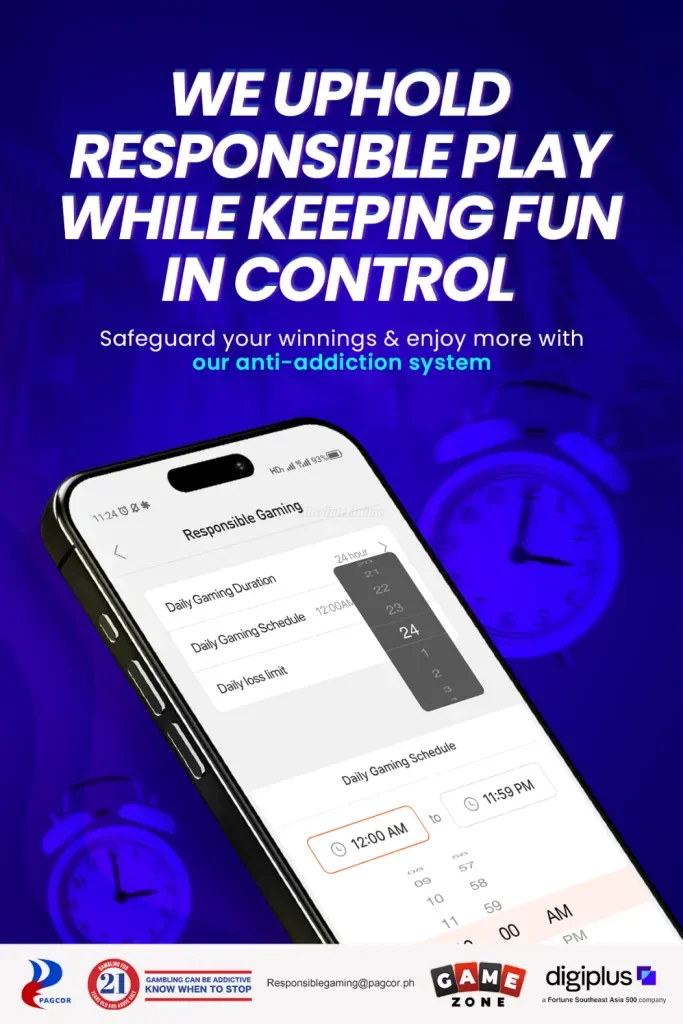
Since catalogs and rules can change, checking the current lobby and official rules can stay more reliable than older posts. GameZone terms also indicate qualified users aged 21 and above, with age confirmation at login.
FAQ
Can one bad discard ruin a Tongits round? It can reduce options, while later draws, opponent actions, and better decisions can still reshape the result.
Should the discarded card be chased immediately? Chasing can narrow options; alternative meld routes in the current hand can offer higher-value lines.
Can players under 21 access GameZone Tongits? GameZone terms and login requirements restrict play to qualified individuals aged 21 and above.
Comments are powered by Disqus, which loads external scripts and sets cookies.