

Evangelion Watch Order
There's no single "correct" way to watch Evangelion, but there are two clean paths and one common mistake (watching them interleaved). The original 90s continuity and the modern Rebuild films tell the same opening story and then go to very different places. Pick one path, watch it start to finish, and only then decide whether you want the other. Both orders below are in the sequence to actually watch, not release date.
Original Continuity (recommended first)
The definitive version, and the one to start with if you only ever watch one. The TV series tells the whole story; The End of Evangelion is its proper theatrical finale.
Neon Genesis Evangelion
The whole story. Mecha action that slowly peels back into a raw psychological character study. Watch all 26 episodes before touching any of the films.
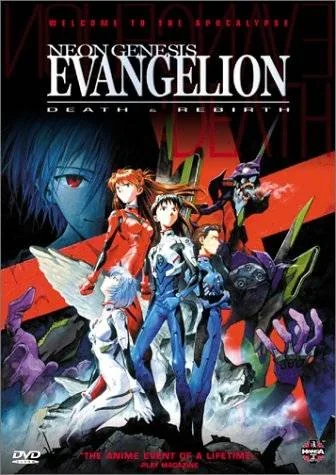
Death & Rebirth Optional
Skippable. The "Death" half is a clip-show recap of the series; the "Rebirth" half is just the first act of The End of Evangelion. Only worth it if you're a completist.
The End of Evangelion
The real ending. A standalone theatrical retelling of the series' final two episodes, and the note the original continuity is meant to end on. Watch this last.


Rebuild of Evangelion
Hideaki Anno's four-film reboot (2007–2021). It opens as a faithful retelling, then diverges into its own story and a definitive ending. Self-contained, so it works as a first watch too, but it lands harder if you already know the original. Watch the four films strictly in order.
Evangelion 1.0
A close retelling of the series' opening arc with modern animation. The cleanest possible on-ramp to the whole franchise.
Evangelion 2.0
Still recognizable, but new characters and plot turns start pulling the story off its original track. The point where Rebuild becomes its own thing.
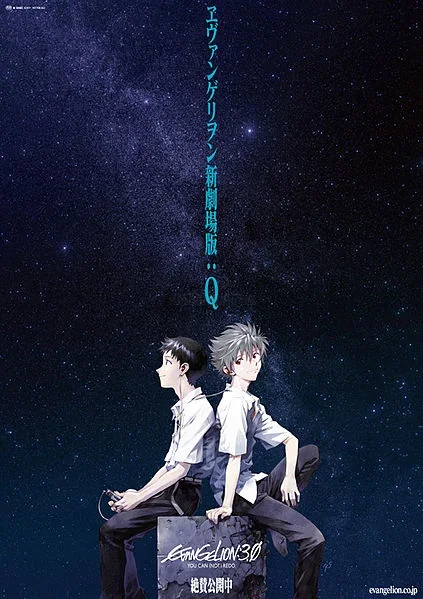
Evangelion 3.0
A hard time-skip into wholly new territory. Divisive on release, but it sets up the finale.
Evangelion 3.0+1.0: Thrice Upon a Time
The conclusion, and the ending Anno chose to leave the franchise on. Watch this last.



Comments are powered by Disqus, which loads external scripts and sets cookies.