

How to Build a Tech-Savvy Workspace Posted Apr 19, 2026
Article ListContributed Post
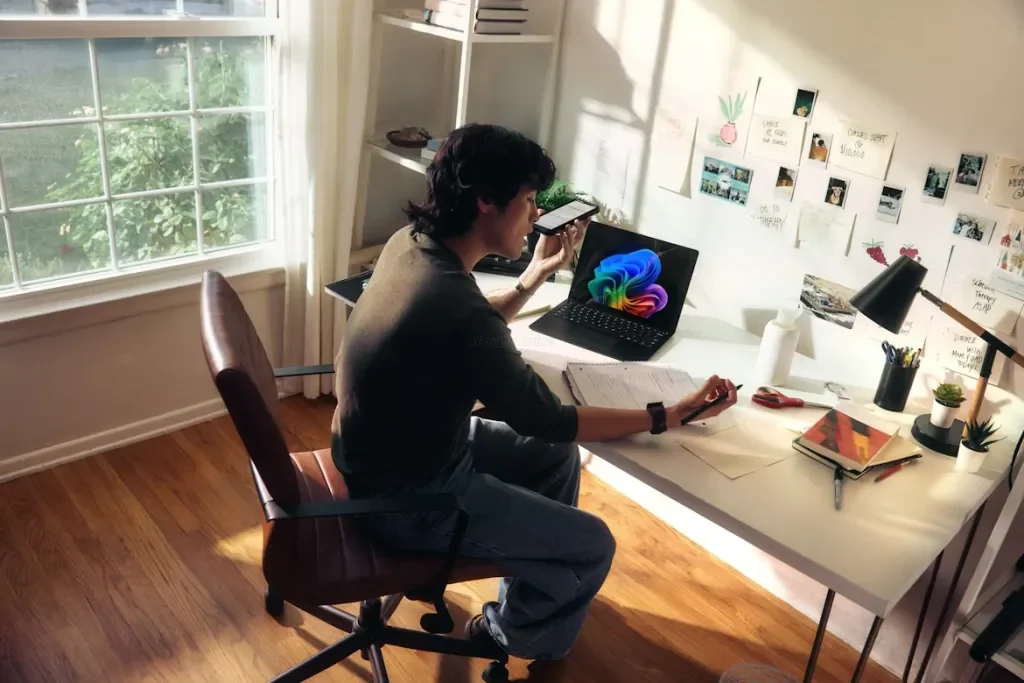
A tech-savvy workspace isn’t just about having the latest gadgets on your desk.
It’s about building an environment where work feels smoother, faster, and less stressful because the technology around you actually supports what you do.
And the truth is, you don’t need a huge budget to get there.
You just need the right setup, the right tools, and a bit of structure.
Let’s break it down in a practical way.
Start With What Actually Slows You Down
Before buying anything new, look at your daily workflow.
Where do things feel stuck?
Is it slow communication? Messy files? Constant distractions? Devices that lag or crash?
A tech-savvy workspace starts with removing friction, not adding more tools.
Sometimes, the biggest upgrade isn’t new tech. It’s fixing what already wastes your time.
Upgrade Your Core Tools First
If you’re building a modern workspace, focus on essentials first:
- A reliable laptop or desktop
- Fast and stable internet connection
- Cloud storage for easy file access
- A decent headset or microphone for communication
These are the backbone of any productive setup.
Fancy gadgets can wait. If your basics are weak, everything else will feel harder than it should.
Go Digital Wherever You Can
Paper slows things down more than people realise.
A tech-savvy workspace reduces manual effort by shifting to digital systems:
- Notes in apps instead of notebooks
- Cloud documents instead of physical files
- Digital calendars instead of sticky notes
The goal isn’t to eliminate everything physical.
It’s to make important information easy to find, update, and share instantly.
Create a Workspace That Reduces Distractions
Technology should help focus, not destroy it.
That means setting up your space intentionally:
- Use noise-cancelling headphones if needed
- Keep only essential apps open
- Organise your desktop and folders clearly
- Turn off unnecessary notifications
A cluttered digital space creates the same stress as a cluttered physical desk.
Clean systems = clearer thinking.
Use Automation to Handle Repetitive Work
One of the biggest advantages of modern tech is automation.
Tasks that used to take time can now run in the background:
- Email replies
- Appointment scheduling
- File backups
- Data organisation
This doesn’t just save time.
It reduces mental load.
The less you have to remember manually, the more energy you have for actual work.
Make Your Workspace Flexible
A modern workspace shouldn’t trap you in one place.
Cloud tools and remote access now allow you to work from anywhere:
- Home
- Office
- Co-working spaces
- Even while travelling
Flexibility is a big part of being tech-savvy.
Your work should move with you, not the other way around.
Don’t Ignore Security
A smarter workspace also needs a safer one.
Simple steps go a long way:
- Use strong passwords
- Enable two-factor authentication
- Back up important files regularly
- Avoid suspicious downloads
Security isn’t exciting, but it’s essential.
One mistake can undo a lot of progress.
Invest in Tools That Grow With You
Not every tool needs to be expensive.
But it should be scalable.
As your work grows, your setup should grow with it without needing constant replacement.
Even in other industries, scalability matters. People often invest in assets or tools that hold long-term value instead of quick, short-term fixes. For example, high-value items like Own4Less gold bullion bars represent long-term storage of value, similar to how good tech investments should support you over time rather than become outdated quickly.
It’s the same principle in a workspace: Choose tools that last, adapt, and support future growth.
Keep It Simple, Not Overloaded
A common mistake is overloading your workspace with too many tools.
More apps don’t always mean more productivity.
Sometimes it just means more confusion.
The goal is clarity:
- One tool for notes
- One for communication
- One for planning
- One for storage
Simple systems scale better than complicated ones.
Final Thought
A tech-savvy workspace isn’t about having everything.
It’s about having what you actually need—and making sure it all works together smoothly.
When your tools are aligned, your environment is clean, and your systems reduce friction, work stops feeling chaotic.
And starts feeling controlled.
That’s when productivity really begins to scale.
Comments are powered by Disqus, which loads external scripts and sets cookies.