

Anime Franchises
Some of anime's biggest names span dozens of series across decades. These franchise guides lay out every entry, explain how the continuities fit together (or don't), and point newcomers to the best place to start.
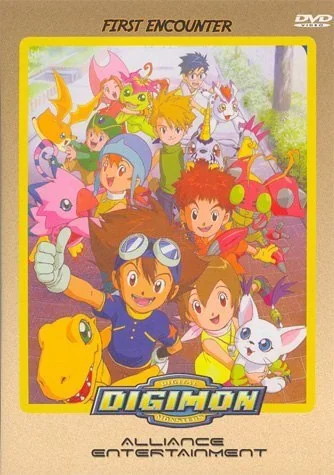
Digimon
The kids-and-their-monster-partners franchise that rode the late-90s Digivice craze into a decades-long anime.
Mostly standalone seasons plus a run of films, so you can start almost anywhere. The original 1999 Adventure is the classic.
Dragon Ball
Akira Toriyama's shonen juggernaut: one continuous saga across five TV series and a stack of films, with the power ceiling climbing the whole way.
It runs in order, so newcomers usually start with the original Dragon Ball or jump to Dragon Ball Z Kai, the filler-trimmed recut of the iconic Z sagas.
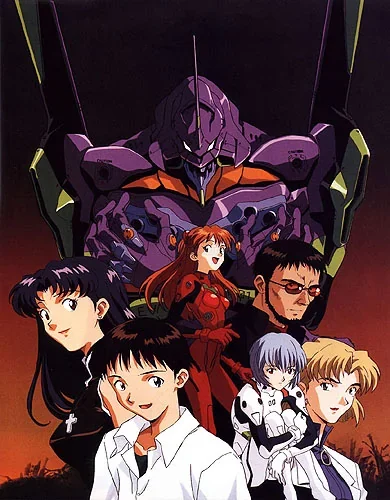
Evangelion
Hideaki Anno's mecha-deconstruction landmark: angels, teenage pilots, and a slow descent into raw psychodrama.
Two ways in: the original 1995 TV series (then The End of Evangelion), or the modern four-film Rebuild starting with Evangelion 1.0.
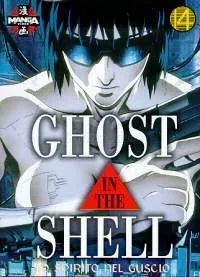
Ghost in the Shell
Masamune Shirow's cyberpunk landmark: cyborg cops, hackable minds, and hard questions about what makes a self.
Three separate takes: Oshii's philosophical films, the Stand Alone Complex TV continuity, and the Arise reboot.
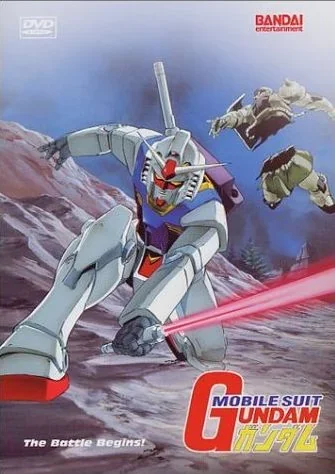
Gundam
Four decades of mecha warfare across more than a dozen unconnected timelines. Most stand alone, so you can drop in almost anywhere.
No required order: Iron-Blooded Orphans is the most-recommended modern entry, while Gundam Wing was the 90s gateway for most Western fans.
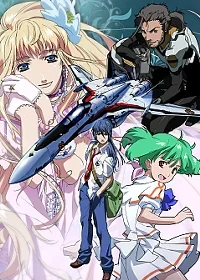
Macross
Transforming jets, pop idols, and love triangles, all in one continuity running since 1982 (plus one alternate timeline).
Every entry still stands on its own. Macross Plus and Macross Frontier are the usual first stops for newcomers.
Pokémon
The anime arm of the world's highest-grossing media franchise: one continuous series following Ash and his Pikachu, running since the late 1990s.
It is mostly one long story, so newcomers start at the beginning with the Indigo League seasons. The films and Mystery Dungeon specials stand alone.
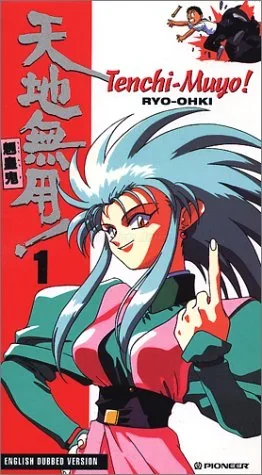
Tenchi Muyo!
The harem-comedy archetype, retold three separate times across its OVA, TV, and Tokyo continuities, plus a run of spinoffs.
The OVA continuity is the canonical one, while Tenchi Universe is the 26-episode TV version many first met on Toonami.
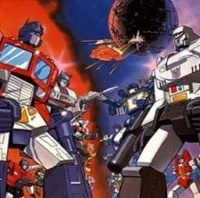
Transformers
The Autobot-versus-Decepticon war, rebooted again and again into separate continuities, from the 1984 original to today.
Because the continuities don't connect, you can pick any era. Beast Wars and Transformers: Prime are perennial recommendations.